
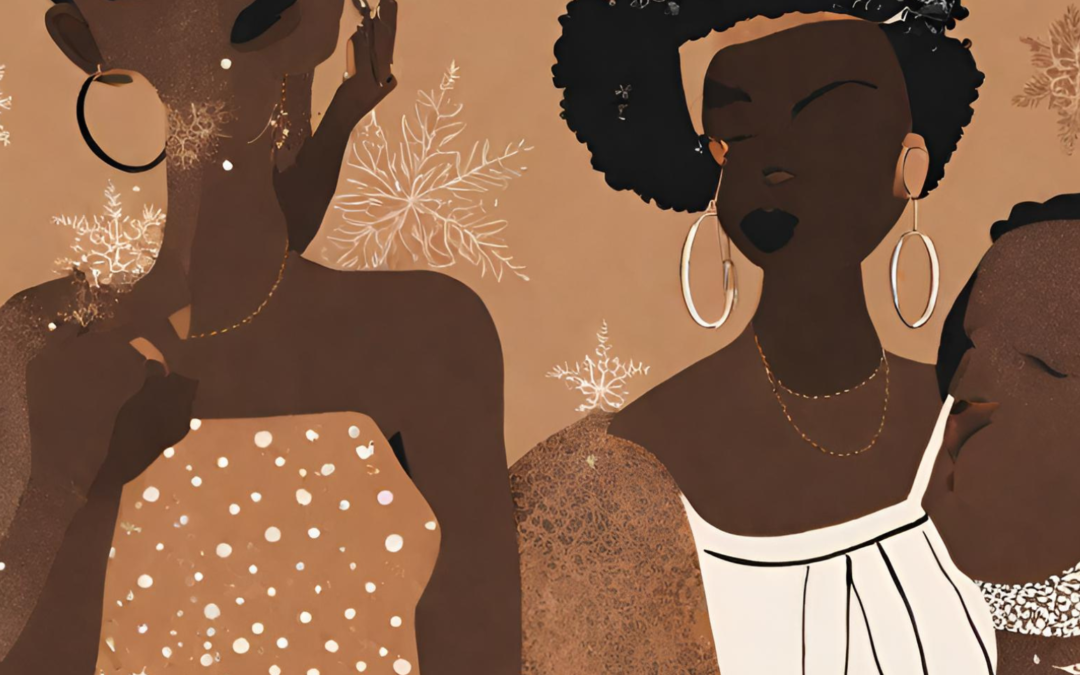
As the holiday season approaches, many of us eagerly anticipate the warmth of festive gatherings, the joy of gift-giving, and the comfort of being surrounded by loved ones. I, for one, am very excited to not only see family but eat some of my favorite foods, enjoy quality time with those I love, and watch movies and shows that are, at this point, a tradition to view. However, it’s crucial to acknowledge that the holidays can bring unique challenges, particularly for Black women; the holidays come with a certain kind of stress that is shared by a lot of people. In this blog post, we will explore the mental implications of the upcoming holidays, shedding light on the often unseen struggles that some Black women may encounter during this time.
To start, The holidays are often portrayed as a time of cheer and togetherness, as I mentioned all of my favorite activities to do during the holidays above. However, societal expectations and stereotypes can burden many of us, especially when surrounded by friends and family. There can be a particular mask that you feel like you have to put on when around family and friends during the holidays to avoid conflict attached to your identity. Not to mention, there may be specific ideas about family structures, holiday decorations, and even the types of food served during celebrations that can cause stress. The pressure to conform to traditional norms and expectations during holidays for Black women involves navigating societal expectations and stereotypes that are upheld by our community and can contribute to feelings of inadequacy and the sense of not being able to embrace one’s authentic self fully. This mask we wear during these times can alter our sense of self and make us feel like our true selves aren’t good enough for the ones we love.
Moving on, Black women, on average, face economic disparities that can be exacerbated during the holiday season. With an emphasis on consumerism during these times, it can be challenging for family and friends to understand that you just don’t have it. The financial strain of gift-buying, hosting gatherings, and other festive expenses can increase stress and anxiety. I personally view these times as one of the hardest financially because, on one side, you want to make those you love happy with things that you know they want, but by making others happy, I know it will only cause me stress in the future. This can feel like you’re being selfish by putting your needs before making those around you happy. The burden of trying to provide a joyful holiday experience for loved ones while managing limited resources can take a toll on mental well-being and make you feel like you are not giving your all because your all would be taken away from yourself.
Family gatherings, while intended to be a source of joy, can sometimes bring about complicated family dynamics. Black women may find themselves dealing with microaggressions, stereotyping, or insensitive comments. I know the feeling too well of sitting with family you haven’t seen in a while and having to tell them your whole life story just for it to end in what feels like insults. We know of the stereotypes on social media about the Black community during holiday gatherings, and the thing is, a lot of those stereotypes are true for some of us. For us, there’s a sense of apprehension because of the comments or actions that happen during these gatherings. Navigating these situations can be emotionally taxing and may contribute to a sense of isolation or frustration.
The holidays can be a poignant time for those who have experienced loss. Experiencing a holiday highlighting togetherness and community involvement can bring evident dread for those who have lost someone. Celebrating a holiday you usually spend together without the person you love is hard. We may face unique challenges in expressing grief, as societal expectations may discourage vulnerability, much like we in the Black community do often. Navigating the holiday season while mourning the loss of a loved one can intensify feelings of sadness and isolation in a way that may not be experienced commonly.
In the face of these challenges, we must prioritize self-care and seek support from our communities. Encouraging open conversations about mental health, breaking down stigmas, and fostering a sense of solidarity can provide a foundation for healing and resilience. This can even be done with our friends and family to figure out a baseline for the future of how our holiday celebrations should look like moving forward in an inclusive, emotionally mindful manner.
As we approach the holiday season, it’s crucial to recognize the nuanced challenges that black women may encounter, especially within the context of mental health. Reflecting on these challenges, I’m reminded that each person brings a unique story to the holiday table. However, within these challenges lies an opportunity for empathy, understanding, and collective growth. The holiday season should be a time of warmth, connection, and inclusivity for everyone. It’s a reminder that our celebrations should reflect the richness of our diverse stories and experiences. So, as we embark on this festive journey, let’s engage in open conversations, break down stereotypes, and foster a community that prioritizes mental well-being. Remember, your voice matters. Acknowledging and addressing these challenges can pave the way for a more inclusive, compassionate, and joyous holiday season for all. Here’s to a season filled with authentic connections, understanding, and warmth from embracing each other’s stories. Happy holidays!